
India, a nation of over 1.4 billion people, stands as the third-largest emitter of greenhouse gas emissions and one of the most climate-vulnerable countries globally. The escalating frequency and intensity of extreme weather events India experiences highlight a critical challenge for its environment and population. Recent data underscores a stark reality: in 2024, extreme weather events impacted India on 322 days, accounting for almost 90% of the year.
The Escalating Scale of Extreme Weather in India
Extreme weather events in India encompass a wide range of phenomena, from prolonged heat waves and severe storms to devastating floods and droughts. These events are not isolated incidents but rather a growing trend with significant human and economic consequences. The past few years have seen a marked increase in both their frequency and intensity, particularly highlighted by the Climate India 2025 report.
Analyzing the cause, India's geographical diversity and its dense population make it particularly susceptible to the impacts of a warming planet. The nation's reliance on agriculture and its vast coastal regions amplify the risks posed by shifting weather patterns. The resulting impact includes widespread disruption, loss of life, and substantial economic setbacks across various sectors.
Indians' Personal Experiences with Climate Extremes
The impact of extreme weather is deeply personal for many Indians, with direct experiences varying significantly across states and Union Territories. Surveys reveal that majorities of Indians have encountered several severe weather-related challenges in the past 12 months. This widespread exposure shapes public perception and understanding of climate change.
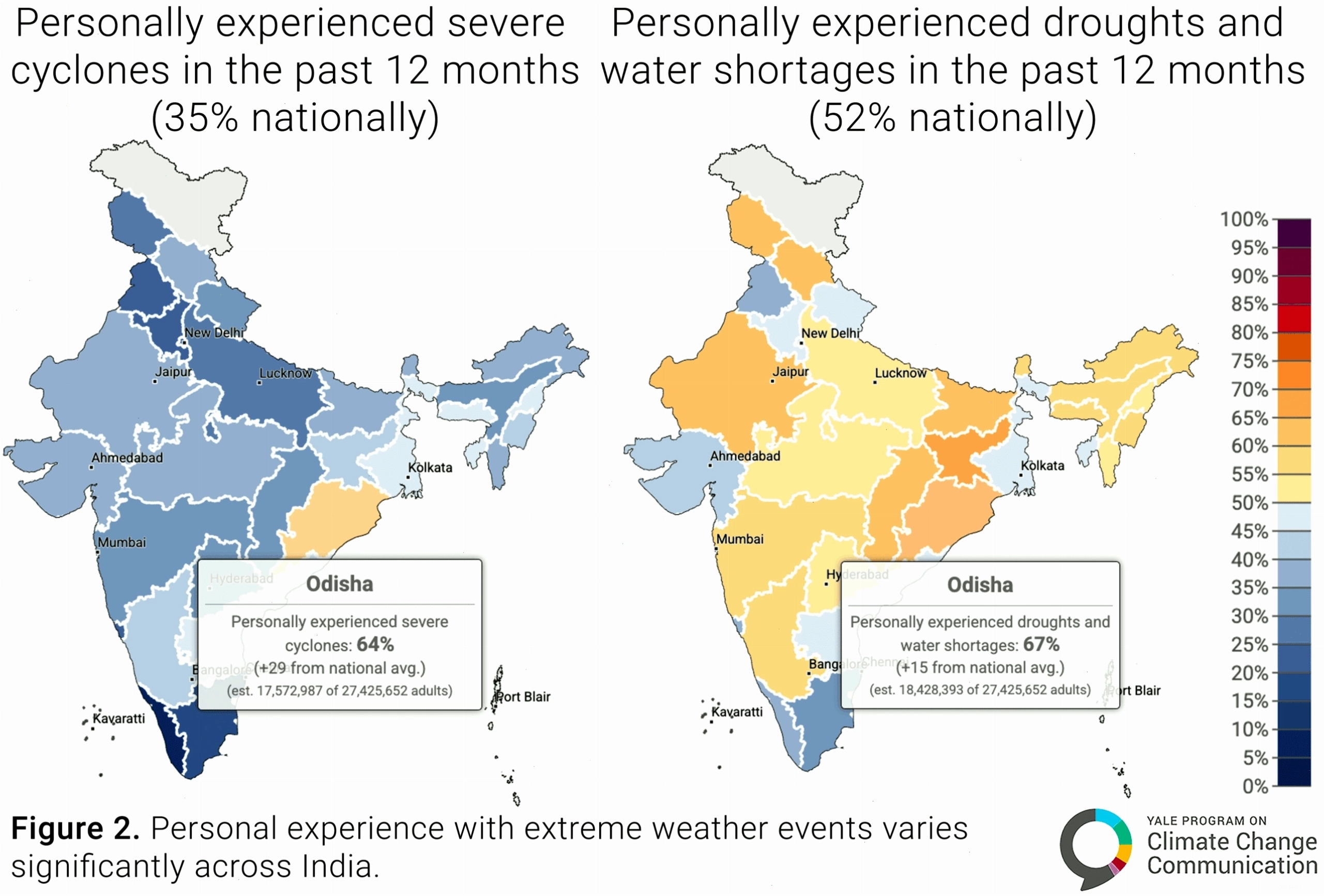
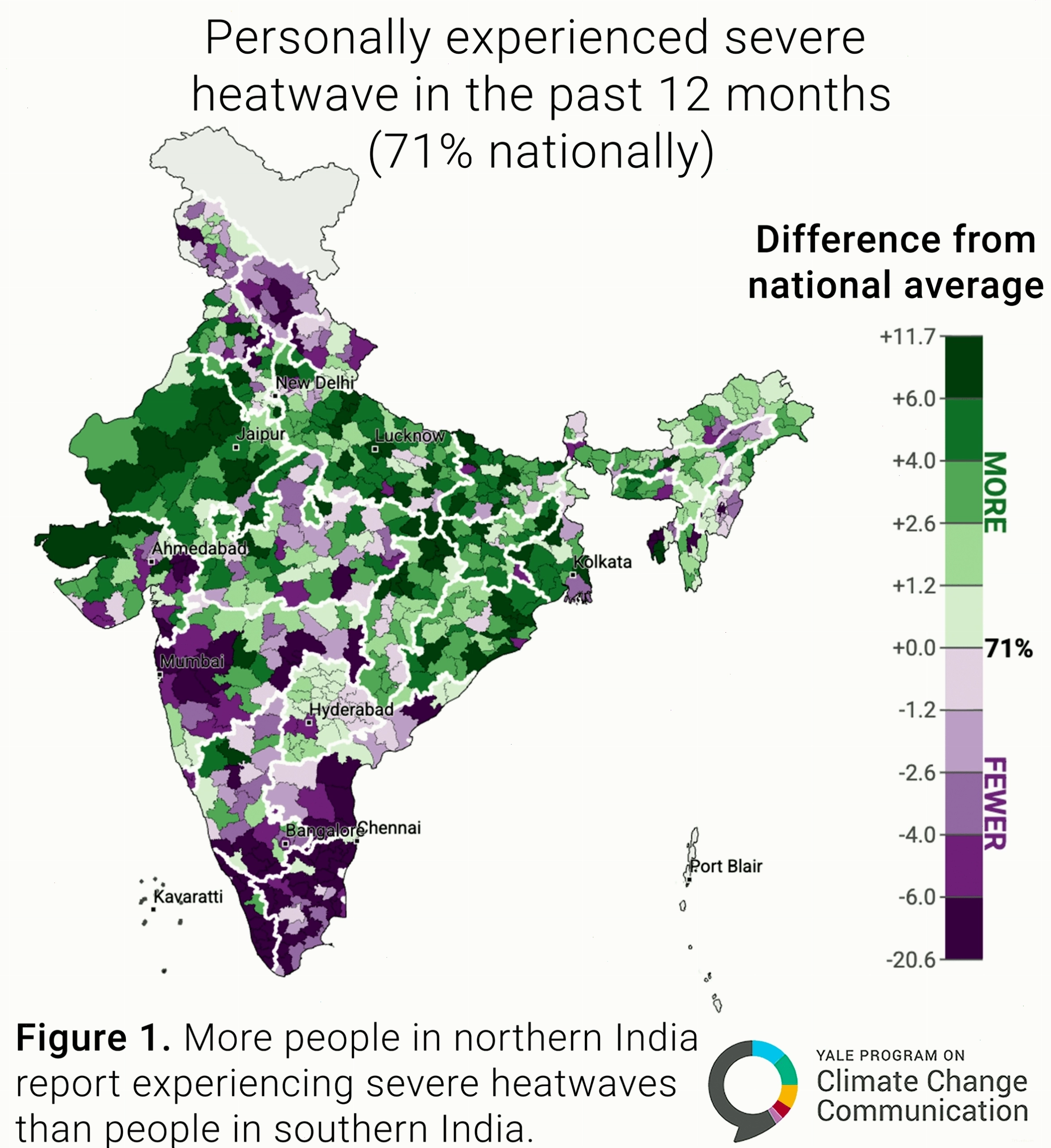
What are these common experiences? A staggering 71% of Indians have faced severe heat waves, while agricultural pests and diseases affected 59%. Other prevalent issues include electricity power outages (59%), water pollution (53%), droughts and water shortages (52%), and severe air pollution (51%). Beyond these, more than one-third of the population has also endured severe storms (41%), famines and food shortages (38%), severe cyclones (35%), and severe floods India has witnessed (34%).
Regional disparities are evident. For instance, in northern Indian states like Rajasthan, Delhi, and Haryana, over 75% reported experiencing severe heat waves. In contrast, coastal states such as Kerala and Tamil Nadu saw just over half of their population affected by intense heatwave India events. Similarly, while 35% nationwide experienced a severe cyclone, this figure surged to 64% in Odisha, a state frequently battered by such systems, including Cyclone Dana in October 2024. Odisha is also particularly susceptible to droughts, experiencing them almost every year, with two-thirds of its people facing droughts and water shortages recently. Conversely, fewer than 40% in states like Kerala, Tamil Nadu, Chandigarh, and Punjab reported similar drought experiences, indicating diverse vulnerabilities across the country.
The Mounting Toll: Human and Economic Impact
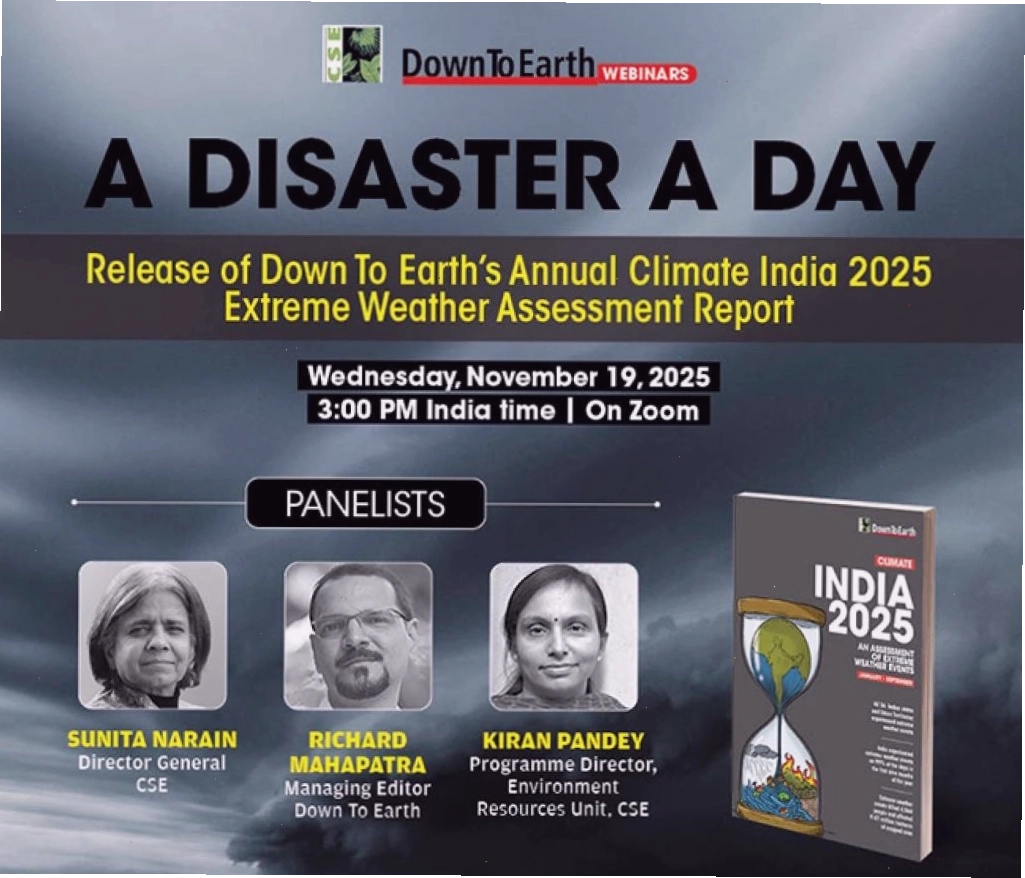
The human and economic costs associated with extreme weather events are increasingly severe. The Climate India 2025 report by CSE and Down To Earth documented a grim picture for the first nine months of that year, with India experiencing extreme weather on 99% of its days. This represents a critical challenge for national resilience and disaster preparedness.
The human toll included 4,064 lives lost in 2025, marking a 48% increase over four years. Economically, 9.47 million hectares of cropped area were affected, a staggering 400% rise in four years. Additionally, 99,533 houses were destroyed, and approximately 58,982 animals perished. These figures underscore the destructive power of nature's extremes and the vulnerability of communities.
| Impact Category | Jan-Sep 2025 Data | Jan-Sep 2024 Data (Previous Worst Year) |
|---|---|---|
| Days with Extreme Weather Events | 99% of days | 255 days |
| Lives Lost | 4,064 | 3,238 |
| Cropped Area Affected | 9.47 million hectares | 3.2 million hectares |
| Houses Destroyed | 99,533 | Not specified in 2024 comparison |
| Animals Killed | 58,982 | Not specified in 2024 comparison |
The monsoon season remains particularly devastating, accounting for the highest number of extreme weather days since 2022. Of the 4,064 deaths recorded in 2025, 3,007 occurred during this period, often due to heavy rains, floods India experiences, and severe landslides India faces. Himachal Pradesh recorded the highest number of extreme weather events, while Madhya Pradesh suffered the maximum number of fatalities.
Climate Change Attribution: Perceptions Across India
Beyond personal experience, there is a strong consensus among Indians regarding the influence of global warming on extreme weather events. When provided with a brief definition, an overwhelming 96% of Indians believe global warming is happening, with no districts falling below 90% agreement. This consistency in belief highlights a broad understanding of the underlying climate crisis.
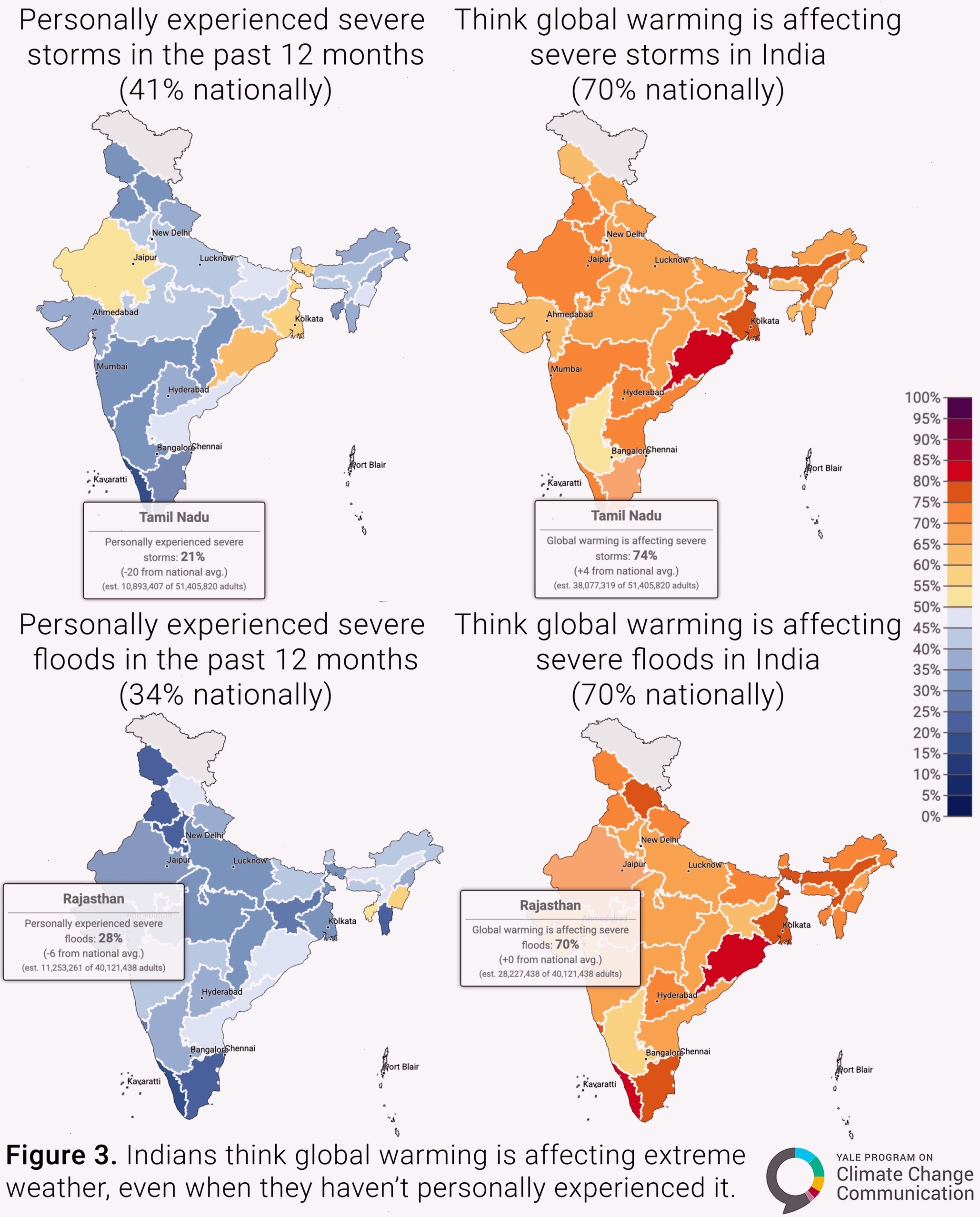
Majorities of adults across the country also attribute various extreme weather events and related impacts to global warming. This includes extinctions of plant and animal species (81%), severe heat waves (78%), agricultural pests and diseases (78%), droughts and water shortages (77%), severe air pollution (76%), water pollution (74%), famines and food shortages (74%), severe cyclones (73%), monsoons (71%), severe floods (70%), severe storms (70%), and electricity power outages (65%).
Interestingly, many Indians attribute these events to global warming even if they haven't personally experienced them. For example, 74% of adults in Tamil Nadu believe global warming affects severe storms, despite only 21% reporting a personal experience with such storms in the past year. Similarly, in Rajasthan, 70% think global warming impacts severe floods, while only 28% personally experienced them. This indicates a widespread acceptance of scientific consensus regardless of direct, local impact.
The Role of Climate Opinion Maps in Informing Policy
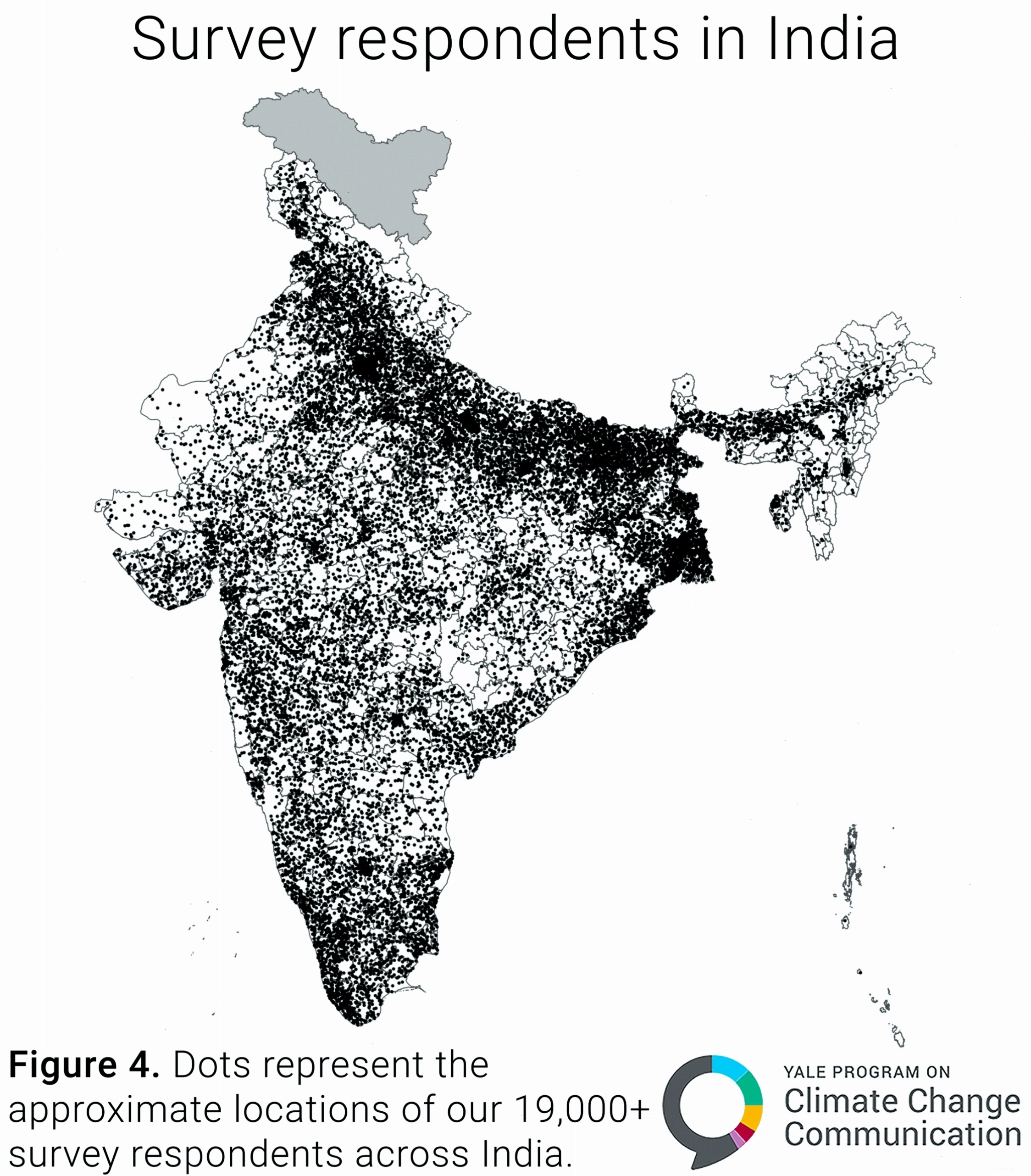
New Climate Opinion Maps for India offer invaluable insights by revealing how citizens' experiences, risk perceptions, and causal beliefs about extreme weather vary across 34 states and Union Territories and 634 districts. These maps serve as a critical tool for understanding localized vulnerabilities and public sentiment towards climate change, enabling more targeted and effective policy interventions.
By identifying regions where specific extreme events are more prevalent and where climate change attribution is strong, policymakers can tailor strategies for adaptation and mitigation. This data-driven approach allows for the development of resilient infrastructure, improved early warning systems, and community-specific preparedness programs. Such detailed information is essential for protecting lives and livelihoods, especially in a nation as diverse and climatically varied as India. To learn more about current conditions, visiting resources for weather india is highly recommended.
Forging a Path Forward for Climate Resilience
The increasing frequency and devastating impact of extreme weather events in India demand urgent and coordinated action. The data from various reports and climate opinion maps paint a clear picture of a nation on the front lines of climate change. Addressing these challenges requires a multi-faceted approach that integrates scientific understanding with local experiences and robust policy frameworks.
Developing climate-resilient infrastructure, implementing sustainable agricultural practices, and enhancing disaster preparedness mechanisms are crucial steps. Education and public awareness campaigns about climate change and its impacts are also vital to foster collective action and informed decision-making. Continuous monitoring and data analysis, like those provided by the Climate Opinion Maps, will be essential to track progress and adapt strategies as climate patterns evolve. For insights into our mission and efforts, feel free to read more about us.